of 1 / 2
Sample data
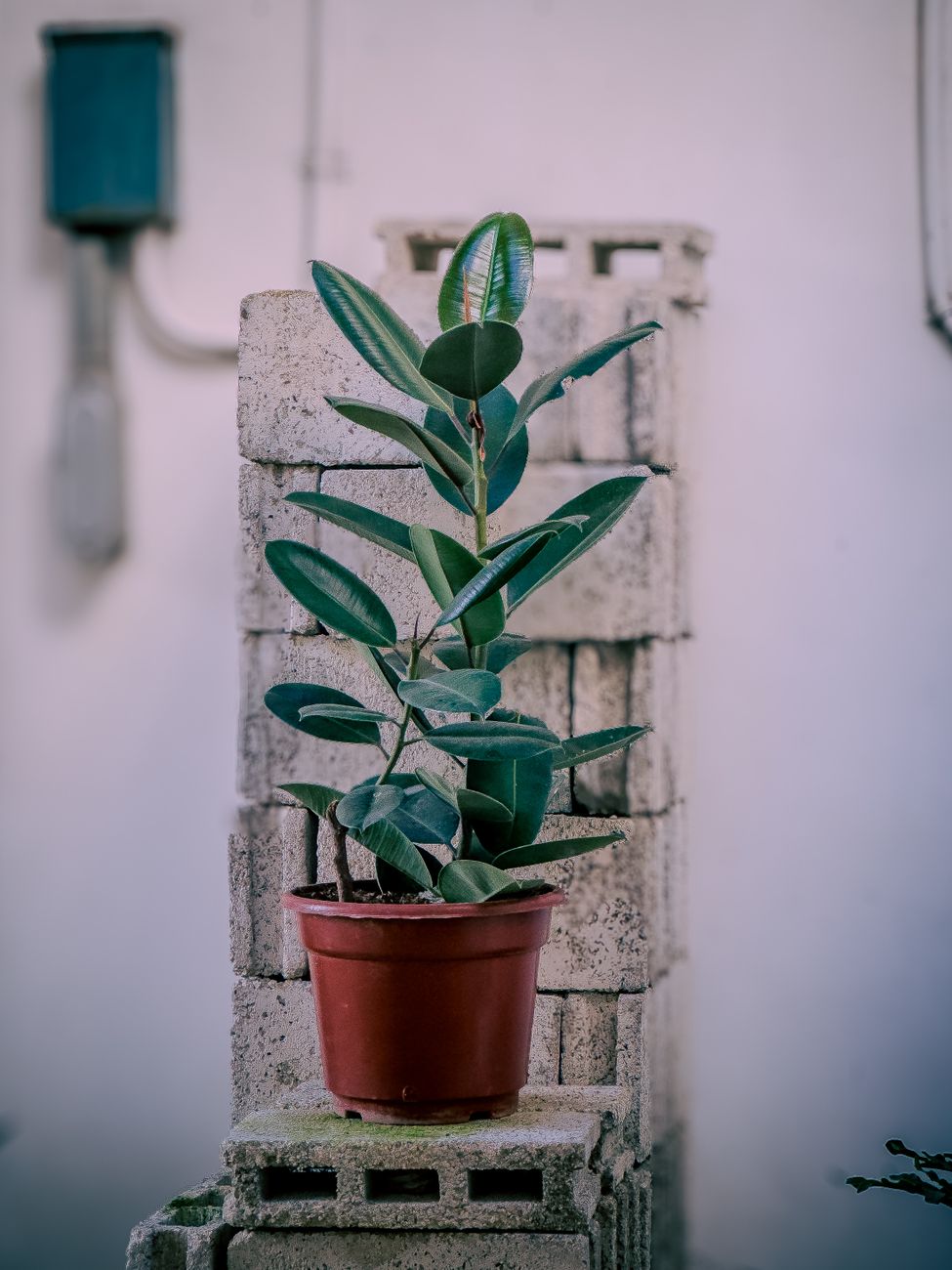
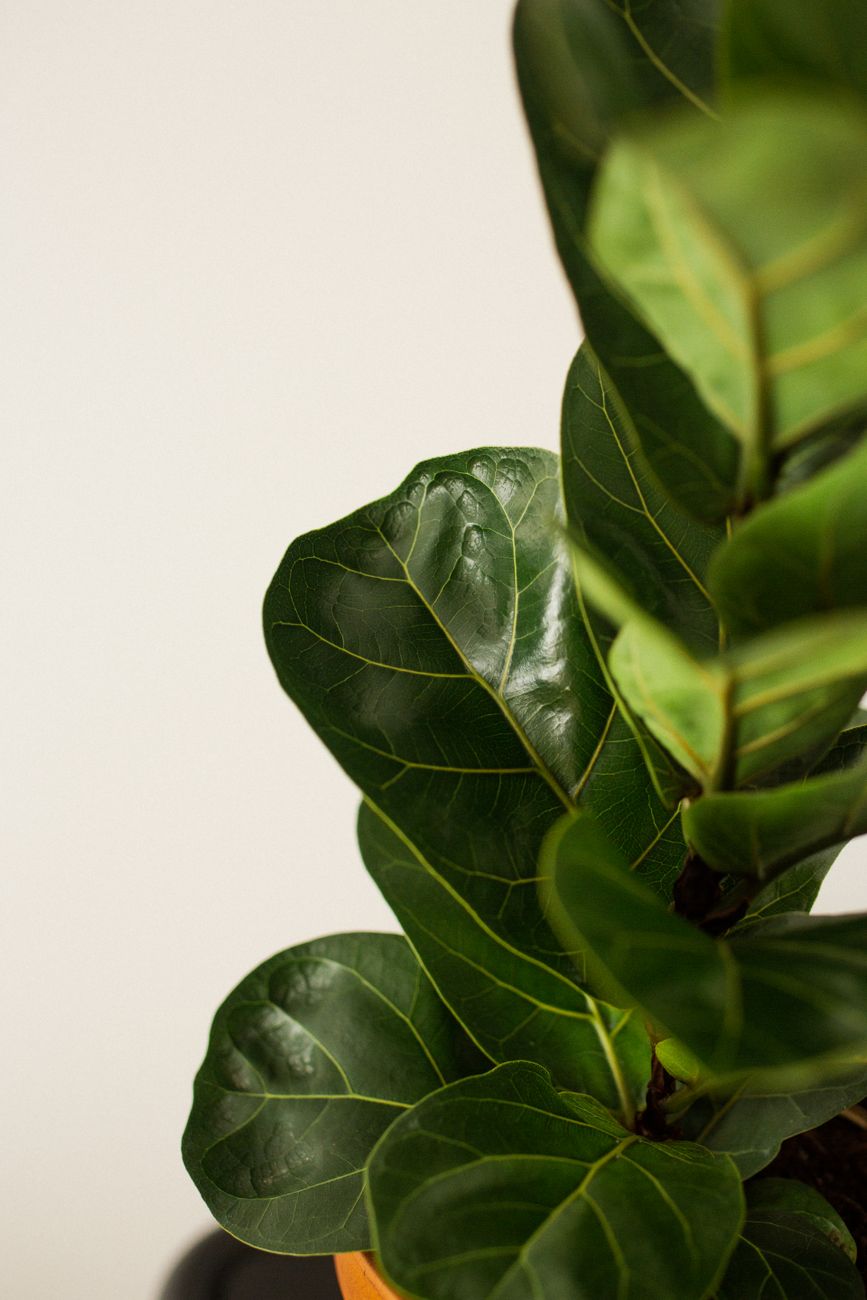
Fiddle Leaf Fig
Ficus lyrata
The one that photographs beautifully and asks for consistency in return.
JD 78.00
In stock
Fiddle Leaf Fig
JD 78.00
Care
- Light
- Bright, indirect
- Water
- Weekly
- Humidity
- Average
- Care level
- Some experience
- Pets
- Keep away from pets
- Placement
- Indoor
Specimen
- Botanical name
- Ficus lyrata
- Origin
- Western Africa
- Height
- 120–170 cm
- Pot diameter
- 30 cm
- SKU
- ZP-FIC-005
The story
We will be straight about this plant: it is the most demanding thing in our indoor range, and it is worth it. A well-grown Ficus lyrata is genuinely architectural — a single trunk with large violin-shaped leaves held high, occupying a corner the way a floor lamp does.
What it needs is consistency rather than fuss. It dislikes being moved, dislikes cold draughts, and drops leaves to register a complaint about either. Find it a bright spot away from a door, water it on a rhythm rather than a schedule, and leave it alone. Ours are acclimatised in our greenhouse before they leave, which is the step that prevents the classic post-purchase leaf drop.
How to care for it
Bright indirect light, ideally several hours of it. Water when the top 5cm is dry — usually weekly in summer, fortnightly in winter. Rotate a quarter turn monthly for even growth. Keep it away from air-conditioning outlets and exterior doors; sudden cold air is the most common cause of leaf loss in Amman flats. Feed fortnightly in the growing season.
Common questions
Are your plants grown locally or imported?
Our plants are grown on and acclimatised locally before they are sold, which is the step that prevents the leaf drop people often see after buying a plant that has just been shipped. Where a specimen was originally sourced from abroad we will tell you if you ask.
What soil do you use?
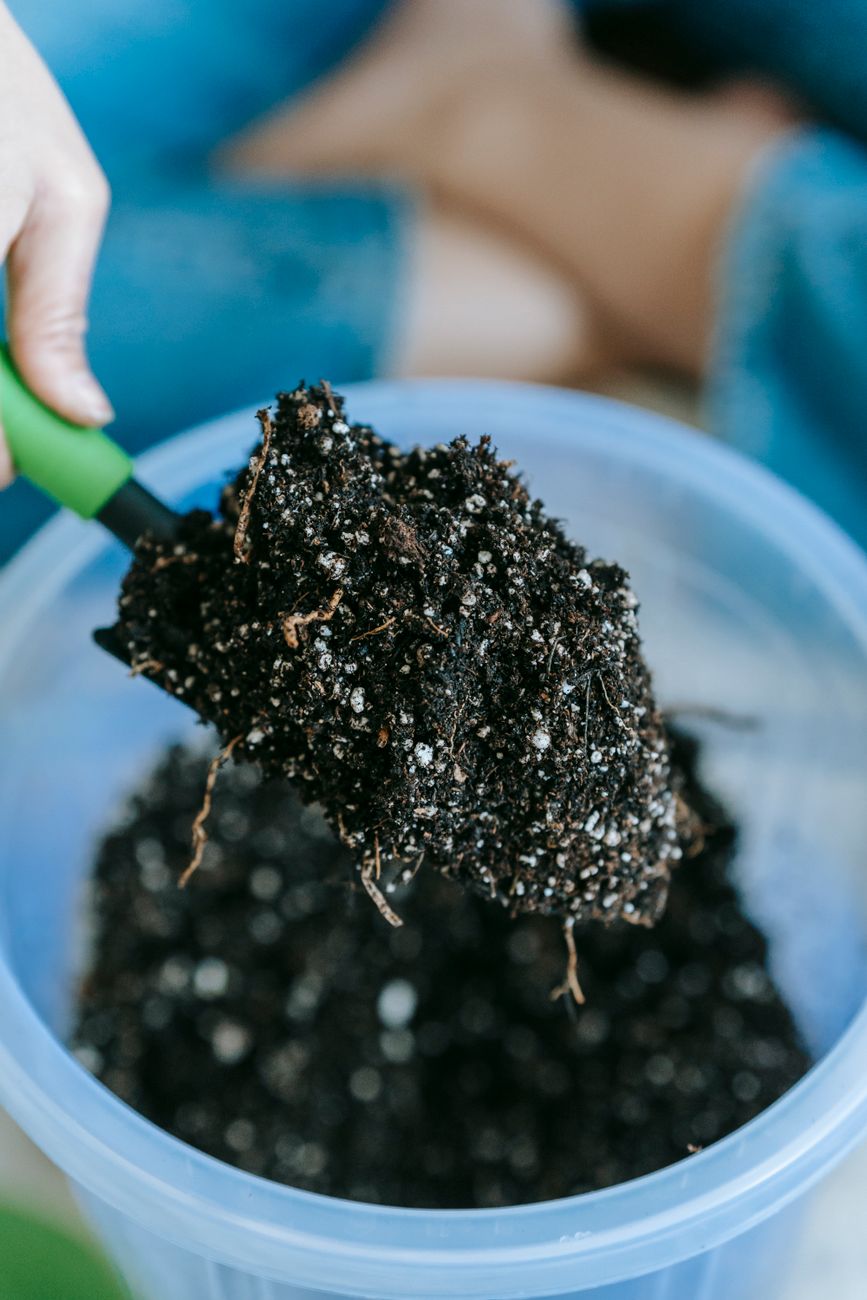
The same mix for every plant we pot: coco peat for moisture retention, perlite and volcanic rock for air pockets and drainage, and composted bark for structure. The success of a plant starts from the correct substrate — it is the most common reason indoor plants fail. We sell the same mix if you want to repot yourself.
Which of your plants are safe for cats and dogs?
Kentia palm, Calathea orbifolia, Echeveria and Boston fern are not known to be toxic. Monstera, pothos, philodendron, ZZ plant, snake plant, peace lily, and the ficus species are toxic if chewed. Every product page states this explicitly, and where the evidence is genuinely unclear we mark it as unconfirmed rather than guessing.