Best sellers
Sample data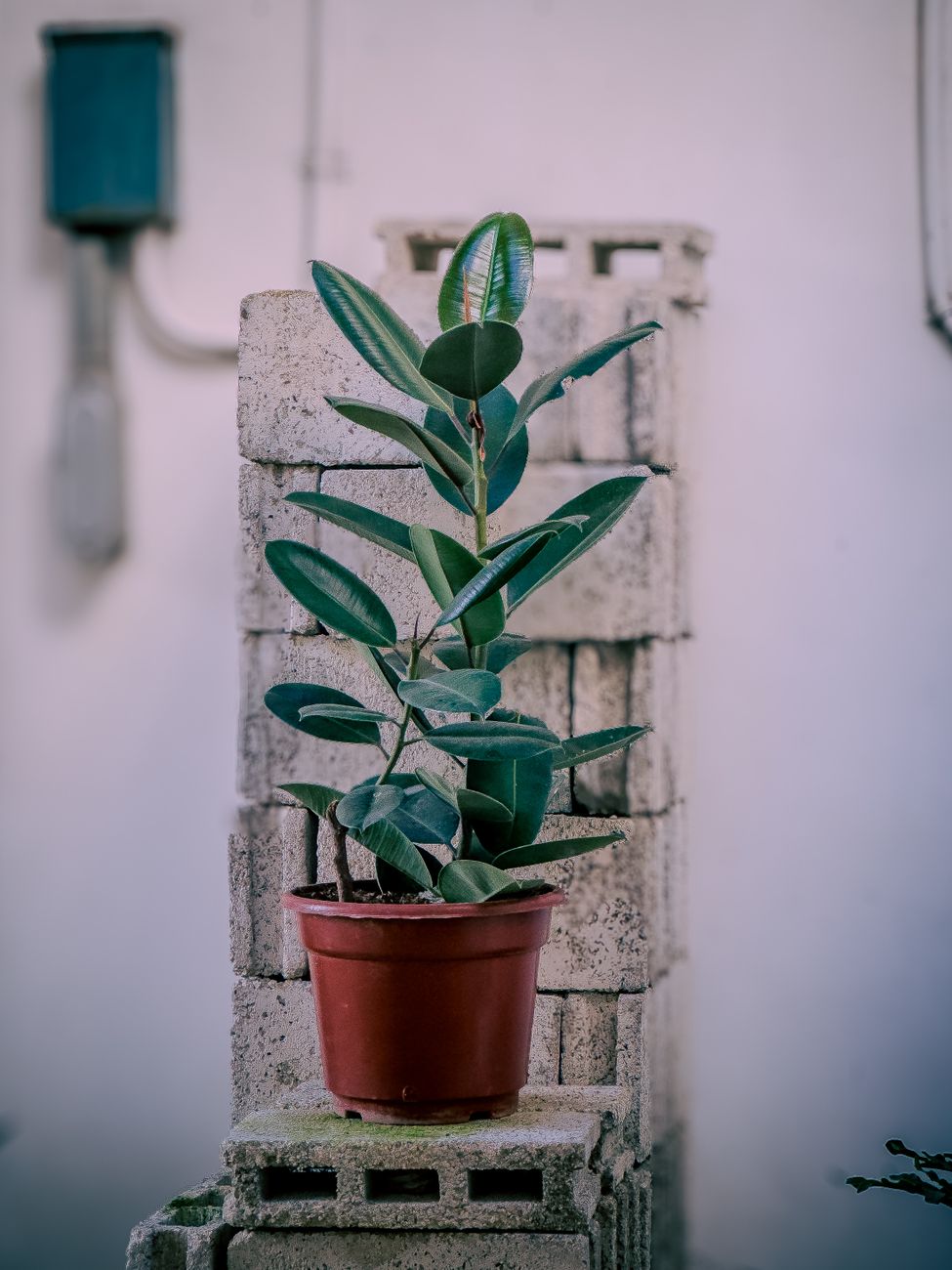
of 1 / 2
Sample data
Ficus elastica
All the presence of a fiddle leaf fig, with far less temperament.
JD 48.00
JD 56.0014% offIn stock
Rubber Plant
JD 48.00
If you want the scale of a Ficus lyrata without the drama, this is the answer. The rubber plant carries thick, deep-green, almost lacquered leaves on a strong upright stem, and it is markedly more tolerant of inconsistency than its famous cousin — it will forgive a move, a draught, and a late watering.
The burgundy-tinged new growth unfurls from a pink sheath, which is one of the more satisfying things to watch on a houseplant. It responds well to being pruned; cutting the leading stem will push it to branch rather than keep reaching for the ceiling.
Bright indirect light. Let the top half of the substrate dry before watering — this is a plant that suffers far more from too much water than too little. Wipe the leaves to keep the shine; they show dust badly. Prune in spring if you want a bushier shape. The milky sap is irritating, so wash your hands after cutting.
Our plants are grown on and acclimatised locally before they are sold, which is the step that prevents the leaf drop people often see after buying a plant that has just been shipped. Where a specimen was originally sourced from abroad we will tell you if you ask.
The same mix for every plant we pot: coco peat for moisture retention, perlite and volcanic rock for air pockets and drainage, and composted bark for structure. The success of a plant starts from the correct substrate — it is the most common reason indoor plants fail. We sell the same mix if you want to repot yourself.
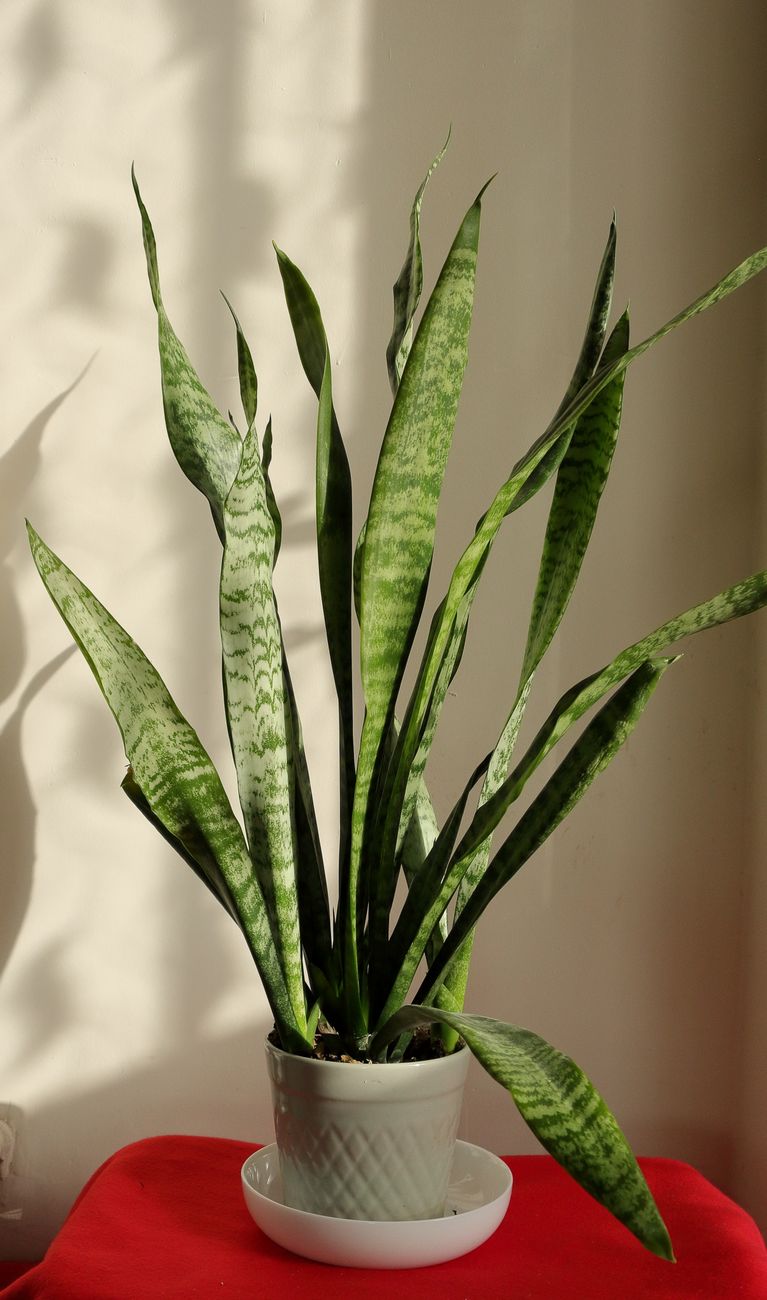
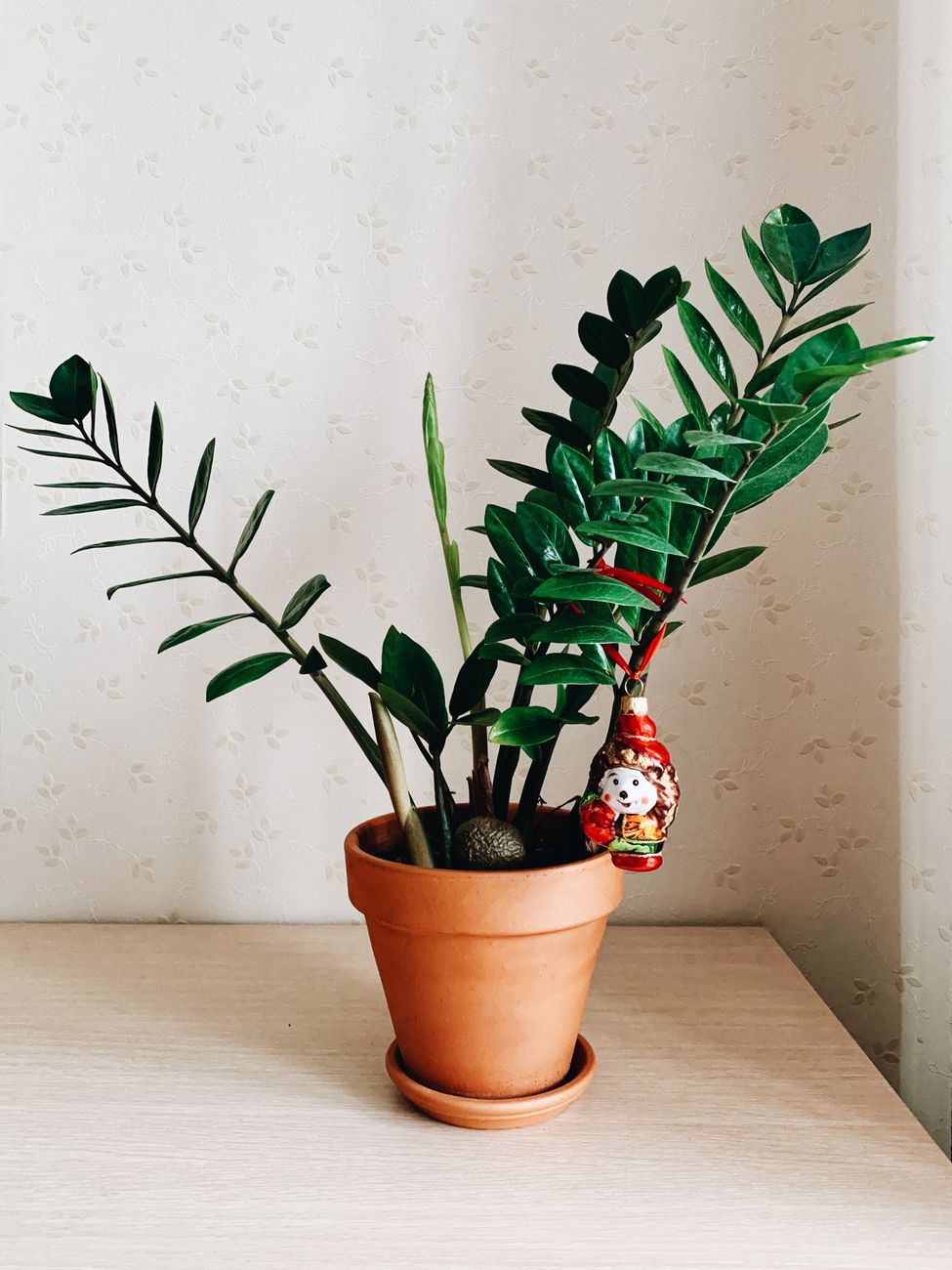
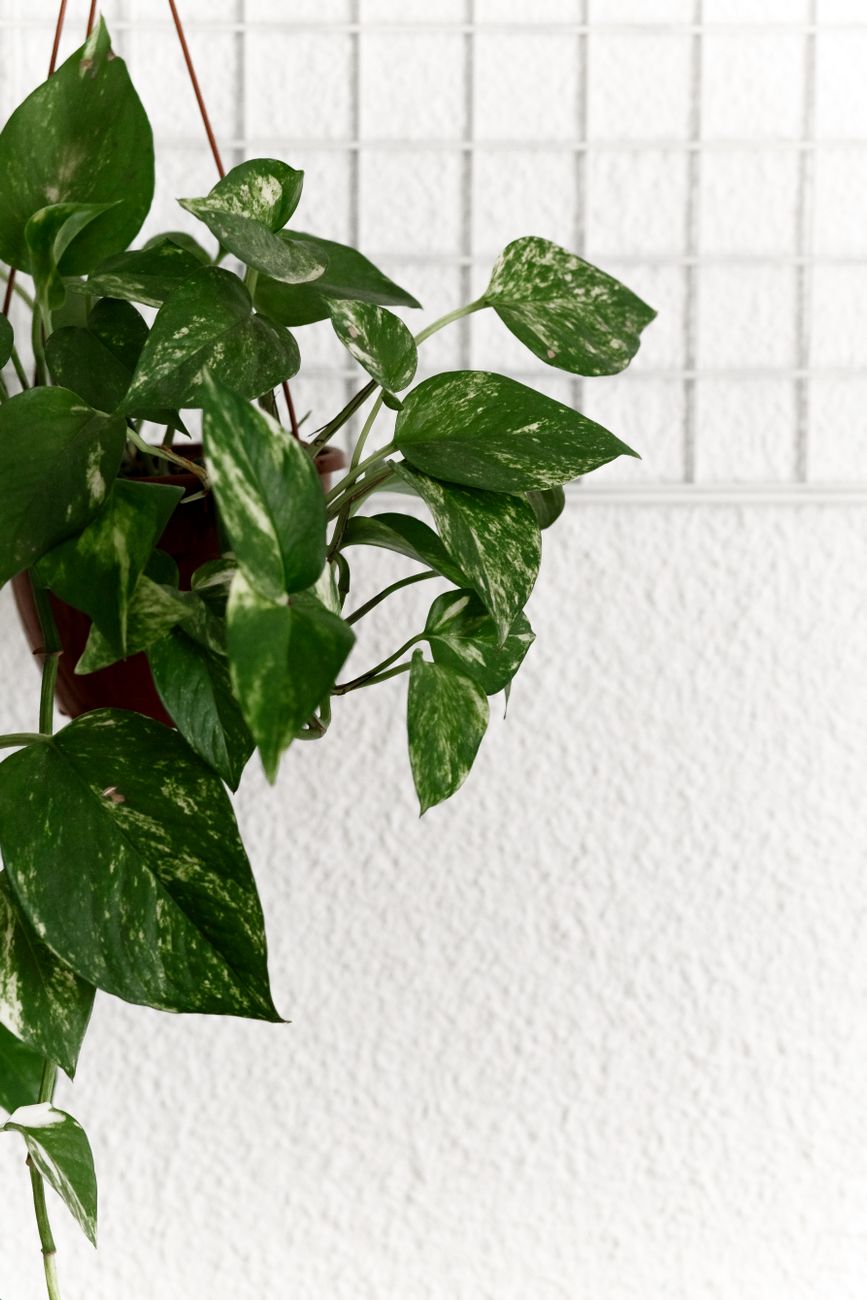
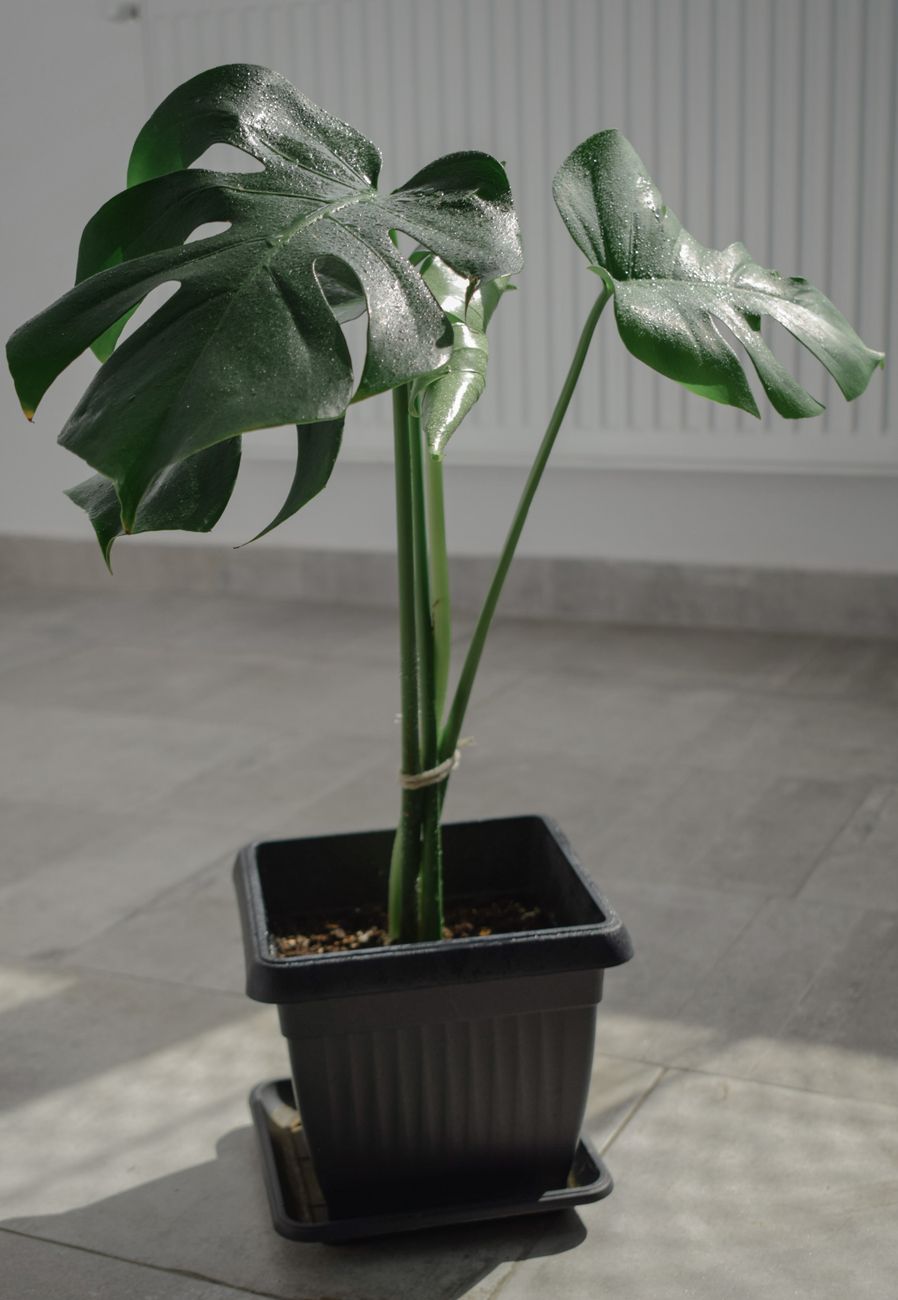
Kentia palm, Calathea orbifolia, Echeveria and Boston fern are not known to be toxic. Monstera, pothos, philodendron, ZZ plant, snake plant, peace lily, and the ficus species are toxic if chewed. Every product page states this explicitly, and where the evidence is genuinely unclear we mark it as unconfirmed rather than guessing.