Best sellers
Sample data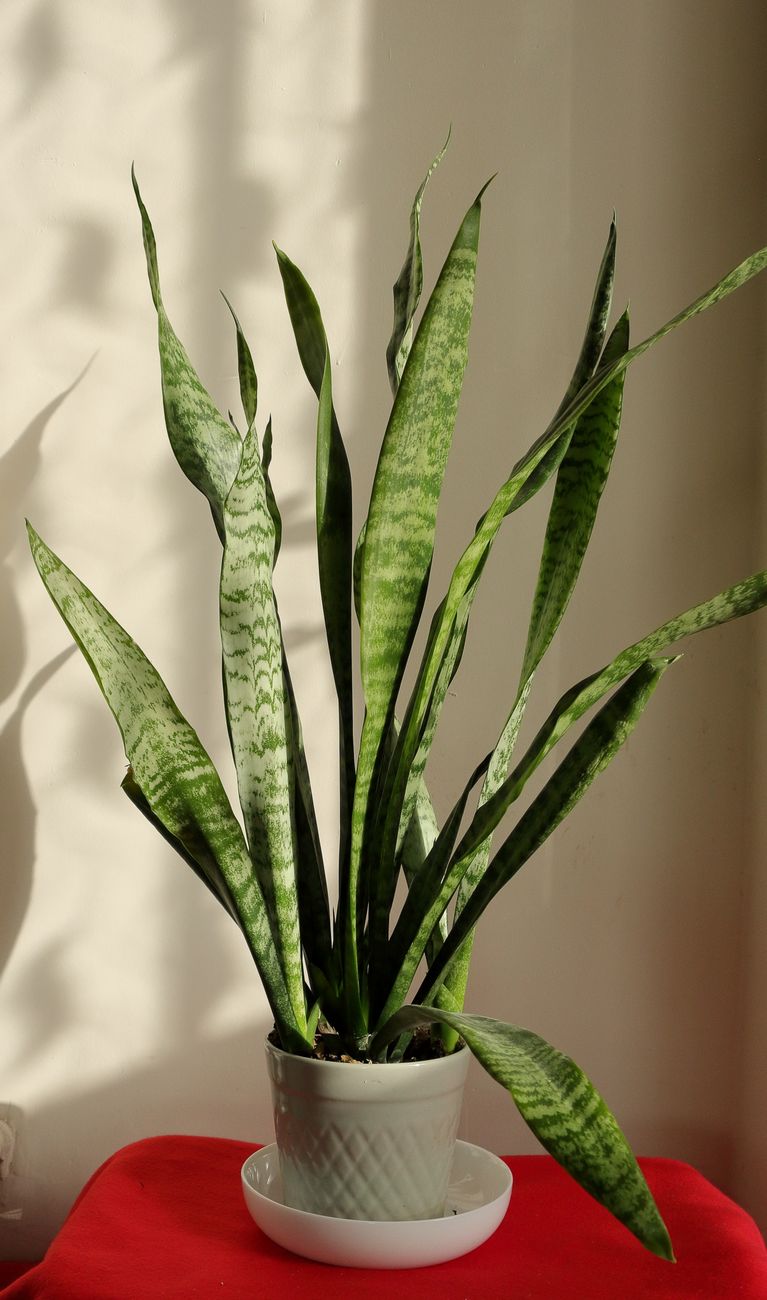
of 1 / 2
Sample data
Dracaena trifasciata
The most tolerant plant we sell. Survives low light, dry air, and being forgotten.
JD 24.00
JD 30.0020% offIn stock
Snake Plant
JD 24.00
If you have lost plants before, start here. Formerly classified as Sansevieria, the snake plant stores water in its rigid upright leaves, which is why it copes with weeks of neglect and why overwatering is the only reliable way to kill one. It handles a dim hallway, an air-conditioned office, and a bedroom corner equally well.
The upright form is genuinely useful in narrow spaces — it takes vertical room rather than horizontal. Ours are potted in a grittier version of our standard mix, weighted towards perlite and volcanic rock, because free drainage matters more for this species than water retention.
Anything from low light to bright indirect. Water sparingly: every 2–3 weeks in summer, once a month or less in winter, and only when the substrate is completely dry throughout. Never leave it standing in water. No misting, no humidity tray. It does not need feeding more than twice a year.
Our plants are grown on and acclimatised locally before they are sold, which is the step that prevents the leaf drop people often see after buying a plant that has just been shipped. Where a specimen was originally sourced from abroad we will tell you if you ask.
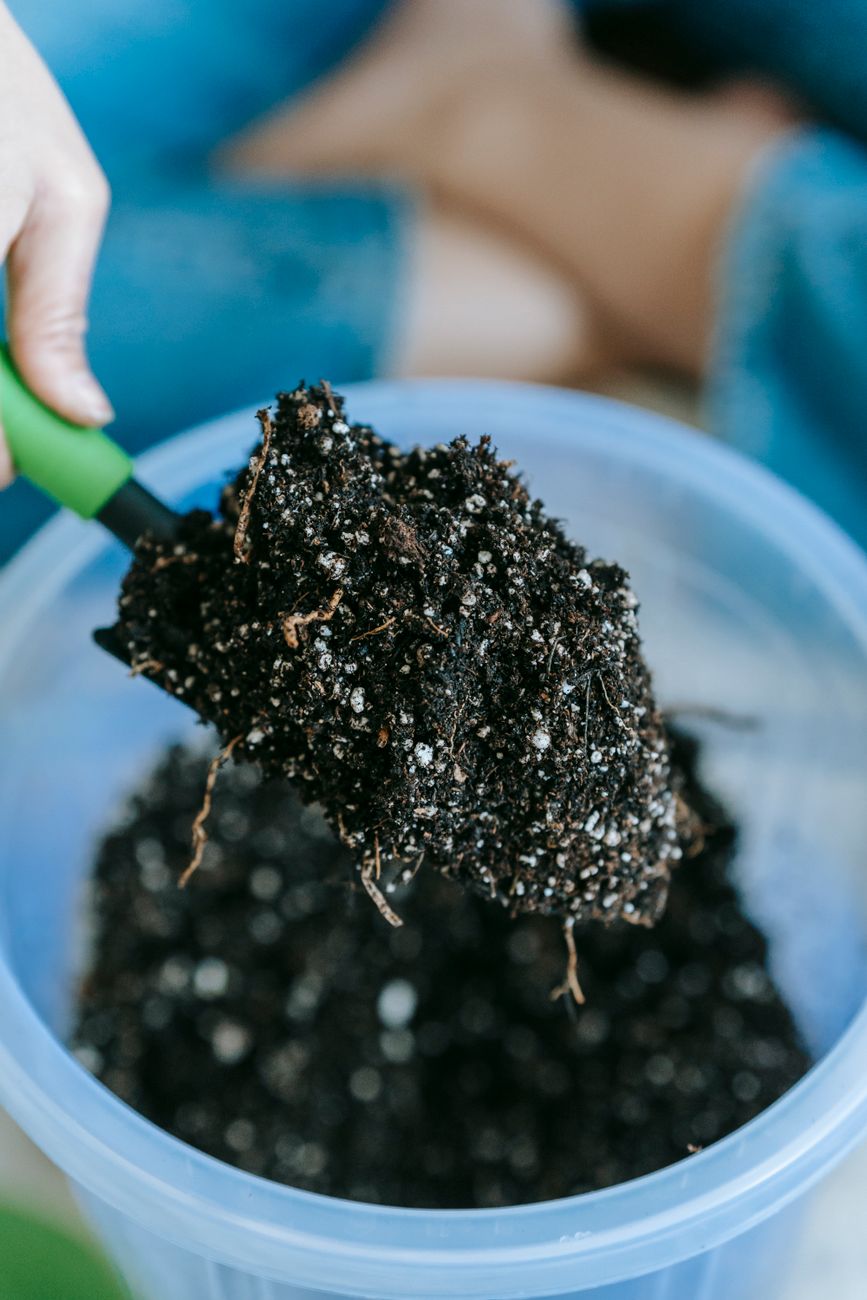
The same mix for every plant we pot: coco peat for moisture retention, perlite and volcanic rock for air pockets and drainage, and composted bark for structure. The success of a plant starts from the correct substrate — it is the most common reason indoor plants fail. We sell the same mix if you want to repot yourself.
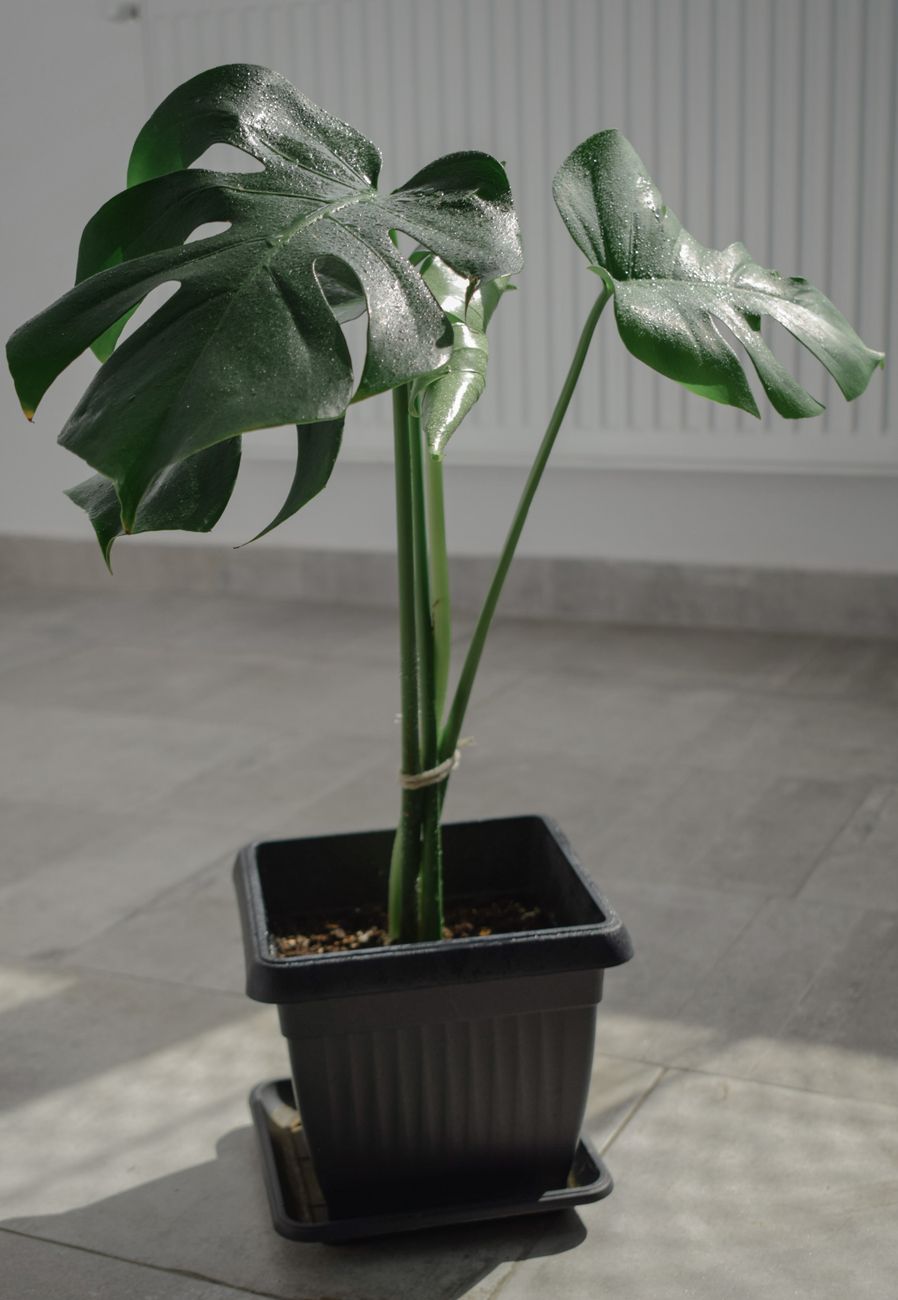
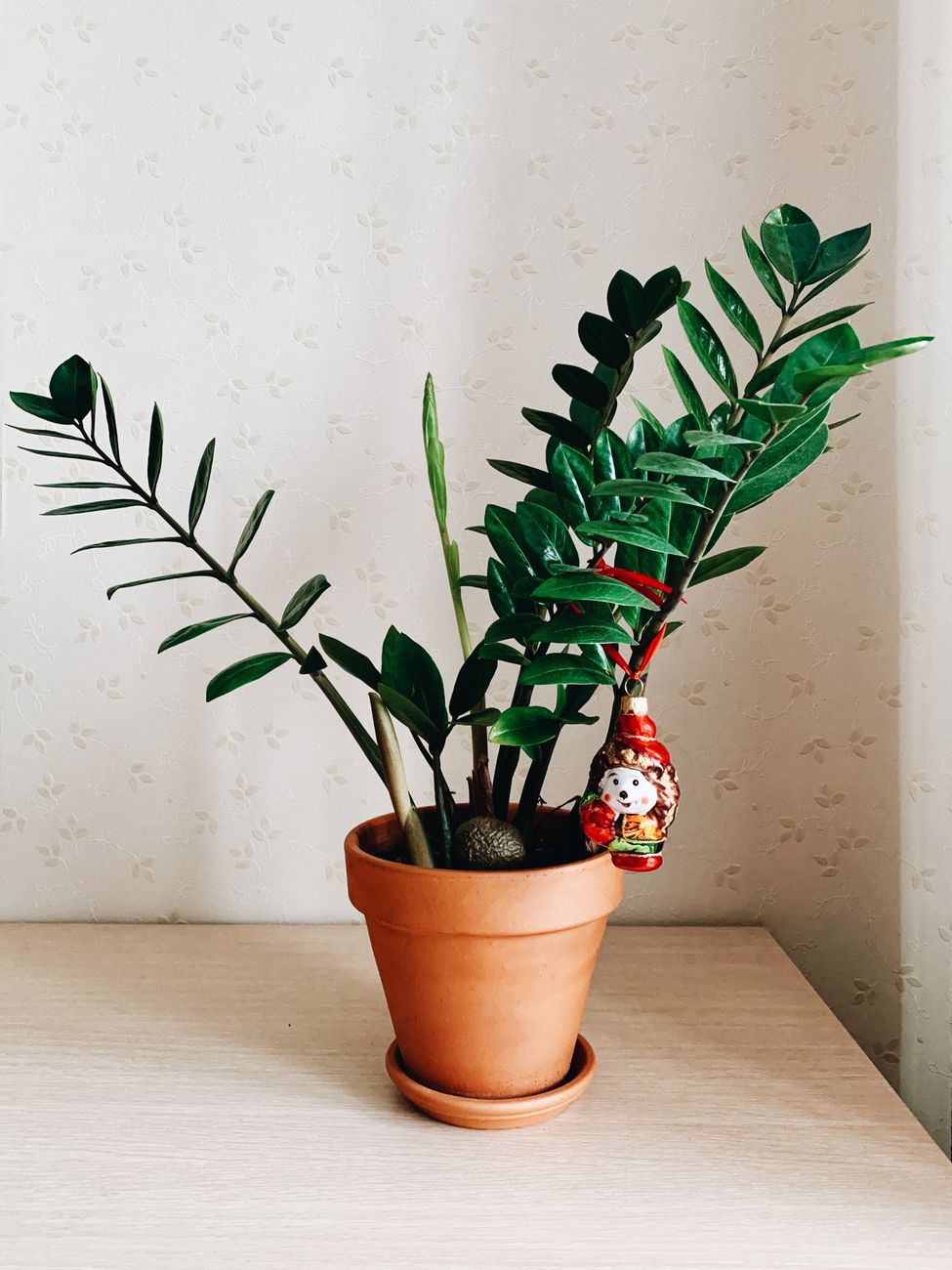
Kentia palm, Calathea orbifolia, Echeveria and Boston fern are not known to be toxic. Monstera, pothos, philodendron, ZZ plant, snake plant, peace lily, and the ficus species are toxic if chewed. Every product page states this explicitly, and where the evidence is genuinely unclear we mark it as unconfirmed rather than guessing.