of 1 / 2
Sample data
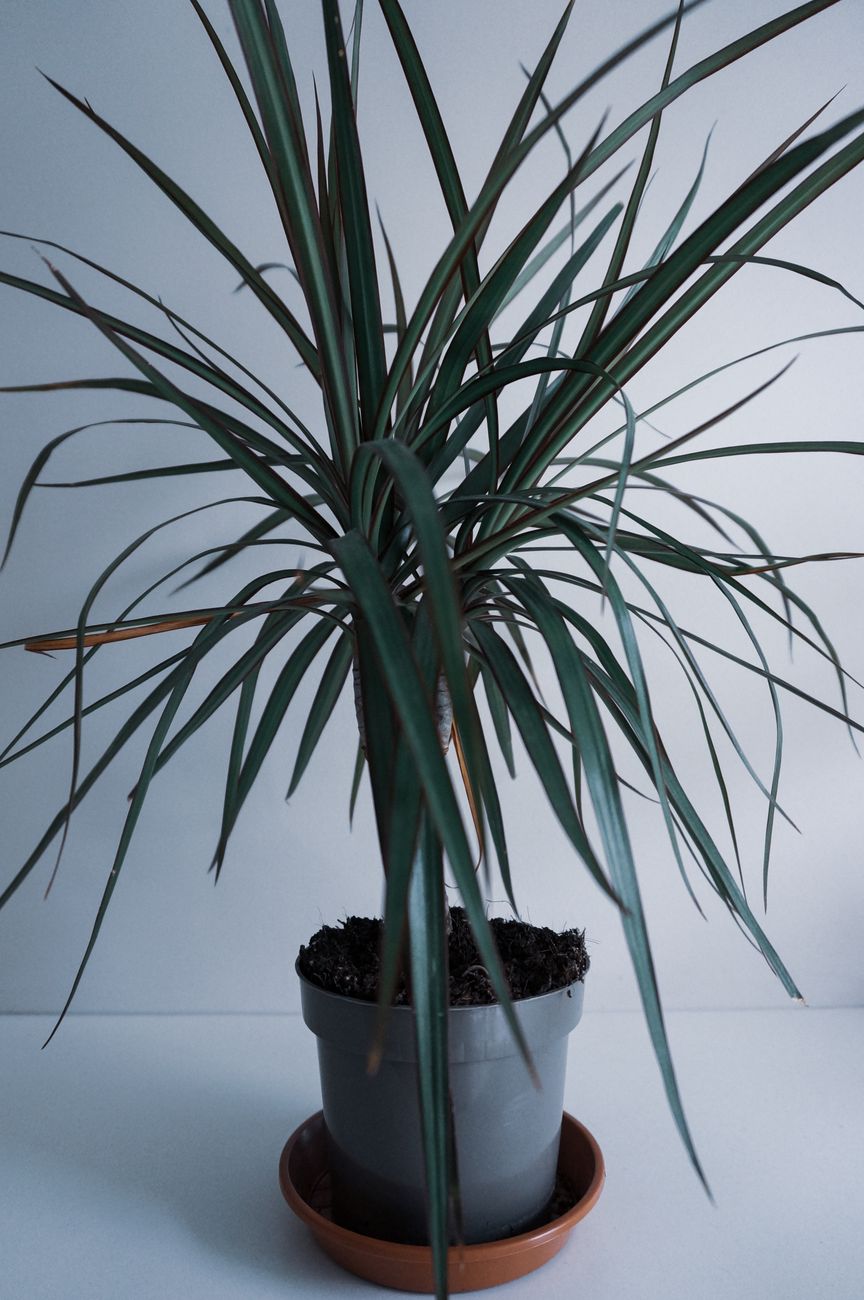
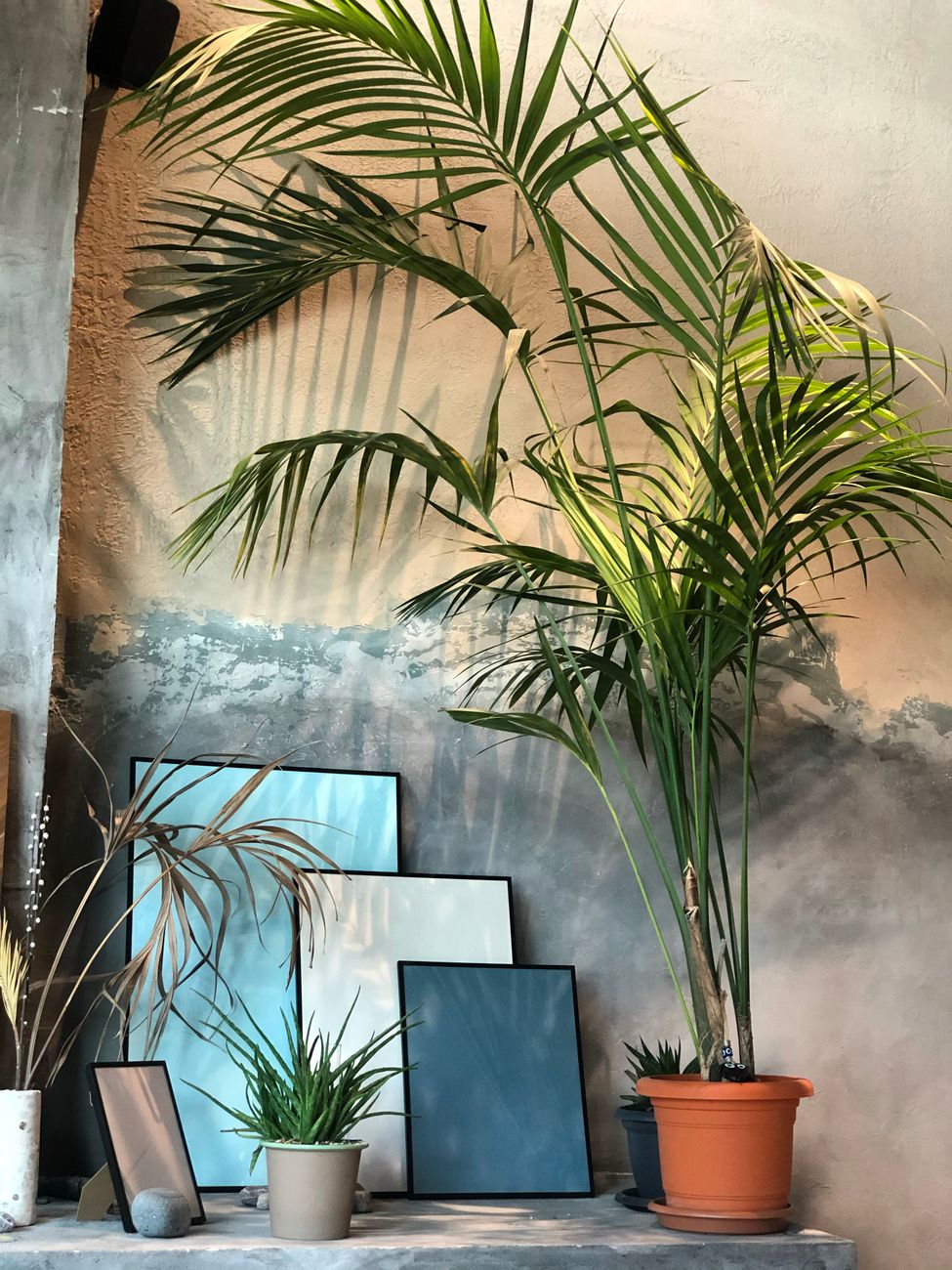
Kentia Palm
Howea forsteriana
The palm that actually works indoors. Pet-safe, shade-tolerant, and very slow to outgrow a room.
JD 95.00
In stock
Kentia Palm
JD 95.00
Care
- Light
- Medium light
- Water
- Every 2–3 weeks
- Humidity
- Average
- Care level
- Beginner friendly
- Pets
- Pet friendly
- Placement
- Indoor
Specimen
- Botanical name
- Howea forsteriana
- Origin
- Lord Howe Island, Australia
- Height
- 140–190 cm
- Pot diameter
- 32 cm
- SKU
- ZP-KEN-009
The story
Most palms sold as houseplants are a disappointment indoors — they want more light and humidity than a flat provides, and they brown steadily. The Kentia is the exception, which is why it has been the interior palm of choice for over a century.
It tolerates medium light, copes with dry air better than any other palm we would recommend, is genuinely non-toxic to cats and dogs, and grows slowly enough that a well-chosen specimen stays the right size for years. In a reception area or beside a sofa it does something no other plant does: it softens the space without dominating it.
How to care for it
Medium to bright indirect light; it will take a shadier corner than most palms. Water when the top third of the substrate is dry, less in winter. Do not cut the brown tips off with a straight edge — trim them following the natural leaf shape. It does not like its roots disturbed, so repot only every 3–4 years.
Common questions
Are your plants grown locally or imported?
Our plants are grown on and acclimatised locally before they are sold, which is the step that prevents the leaf drop people often see after buying a plant that has just been shipped. Where a specimen was originally sourced from abroad we will tell you if you ask.
What soil do you use?
The same mix for every plant we pot: coco peat for moisture retention, perlite and volcanic rock for air pockets and drainage, and composted bark for structure. The success of a plant starts from the correct substrate — it is the most common reason indoor plants fail. We sell the same mix if you want to repot yourself.
Which of your plants are safe for cats and dogs?
Kentia palm, Calathea orbifolia, Echeveria and Boston fern are not known to be toxic. Monstera, pothos, philodendron, ZZ plant, snake plant, peace lily, and the ficus species are toxic if chewed. Every product page states this explicitly, and where the evidence is genuinely unclear we mark it as unconfirmed rather than guessing.