of 1 / 2
Sample data
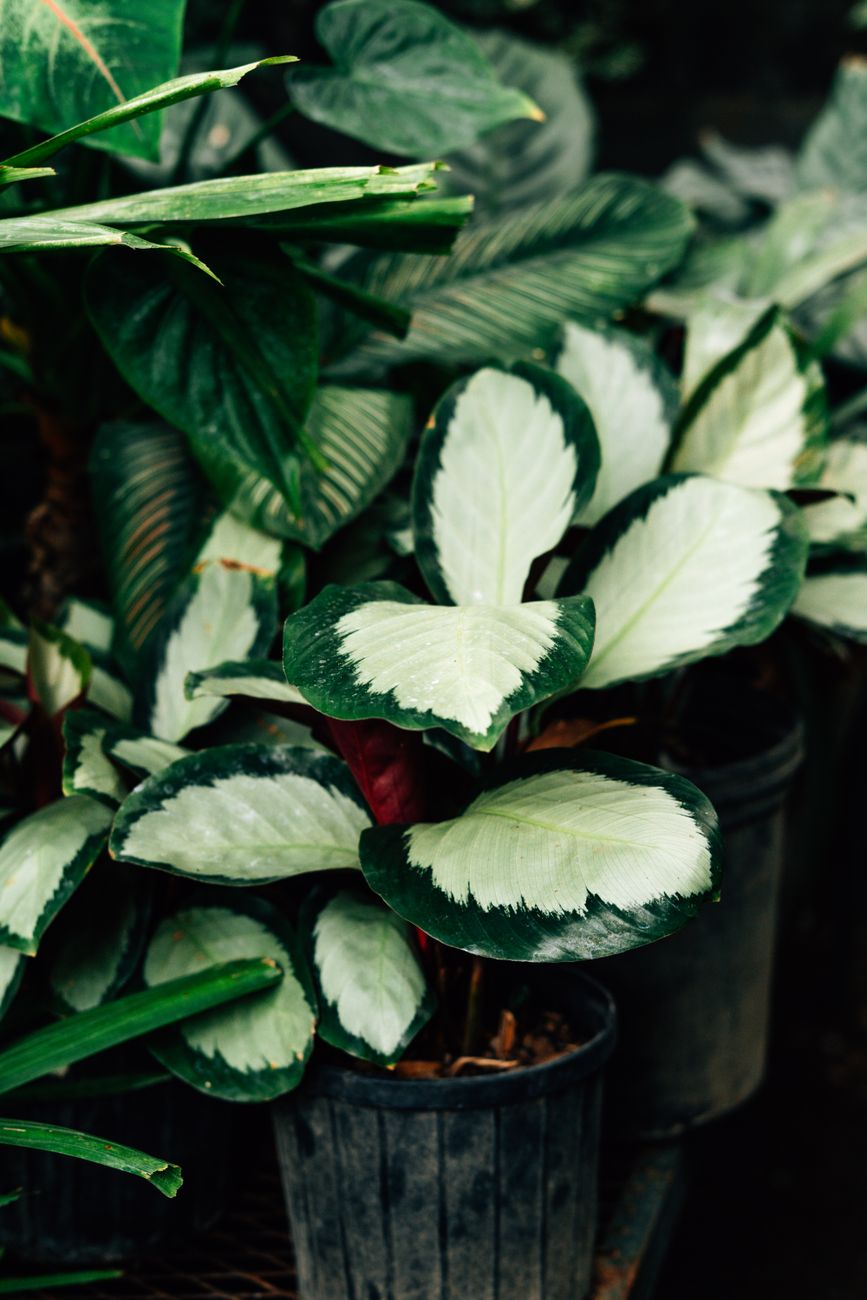
Calathea Orbifolia
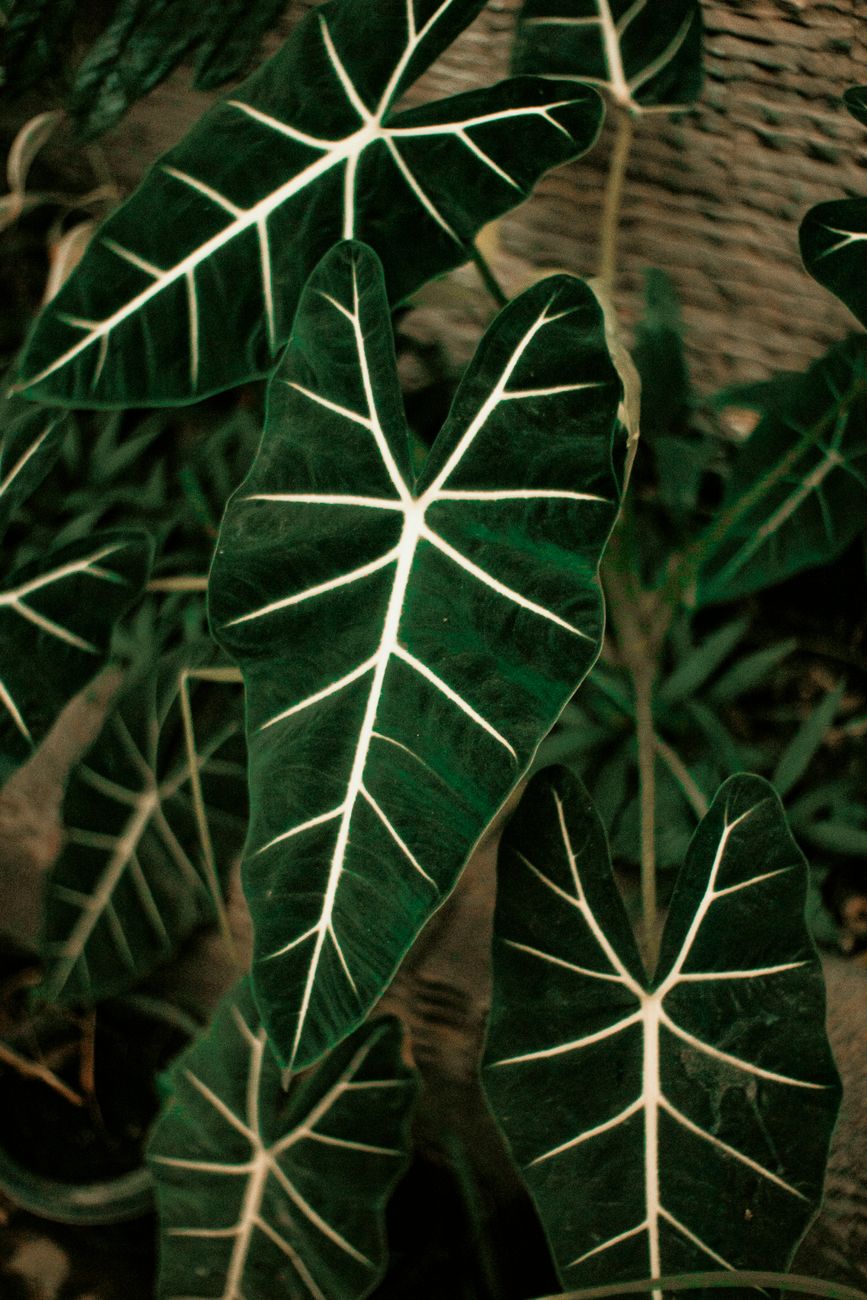
Calathea orbifolia
Striped, pet-safe, and honestly difficult. For people who enjoy the challenge.
JD 26.00
Only a few left (2)
Calathea Orbifolia
JD 26.00
Care
- Light
- Medium light
- Water
- Weekly
- Humidity
- High
- Care level
- For enthusiasts
- Pets
- Pet friendly
- Placement
- Indoor
Specimen
- Botanical name
- Calathea orbifolia
- Origin
- Bolivia
- Height
- 35–55 cm
- Pot diameter
- 18 cm
- SKU
- ZP-CAL-007
The story
The silver-striped leaves are among the most beautiful in the houseplant world, and we are not going to pretend this is an easy plant. Calathea orbifolia wants humidity above about 60%, filtered water, stable warmth, and no direct sun — a combination that an Amman summer with the air conditioning running does not naturally provide.
If you can give it a humid spot and are prepared to pay attention, it is exceptional. It is also genuinely non-toxic to cats and dogs, which is rare among plants this striking. It folds its leaves upward at night, which is worth staying up to see once.
How to care for it
Medium indirect light, never direct. Keep the substrate evenly moist, never soggy and never bone dry. Use filtered or left-to-stand tap water; the crisping brown edges people blame on humidity are often the minerals and chlorine in hard water. Aim for 60% humidity — a pebble tray is not enough on its own; grouping plants or a small humidifier is. Do not let it sit below 16°C.
Common questions
Are your plants grown locally or imported?
Our plants are grown on and acclimatised locally before they are sold, which is the step that prevents the leaf drop people often see after buying a plant that has just been shipped. Where a specimen was originally sourced from abroad we will tell you if you ask.
What soil do you use?
The same mix for every plant we pot: coco peat for moisture retention, perlite and volcanic rock for air pockets and drainage, and composted bark for structure. The success of a plant starts from the correct substrate — it is the most common reason indoor plants fail. We sell the same mix if you want to repot yourself.
Which of your plants are safe for cats and dogs?
Kentia palm, Calathea orbifolia, Echeveria and Boston fern are not known to be toxic. Monstera, pothos, philodendron, ZZ plant, snake plant, peace lily, and the ficus species are toxic if chewed. Every product page states this explicitly, and where the evidence is genuinely unclear we mark it as unconfirmed rather than guessing.