Best sellers
Sample data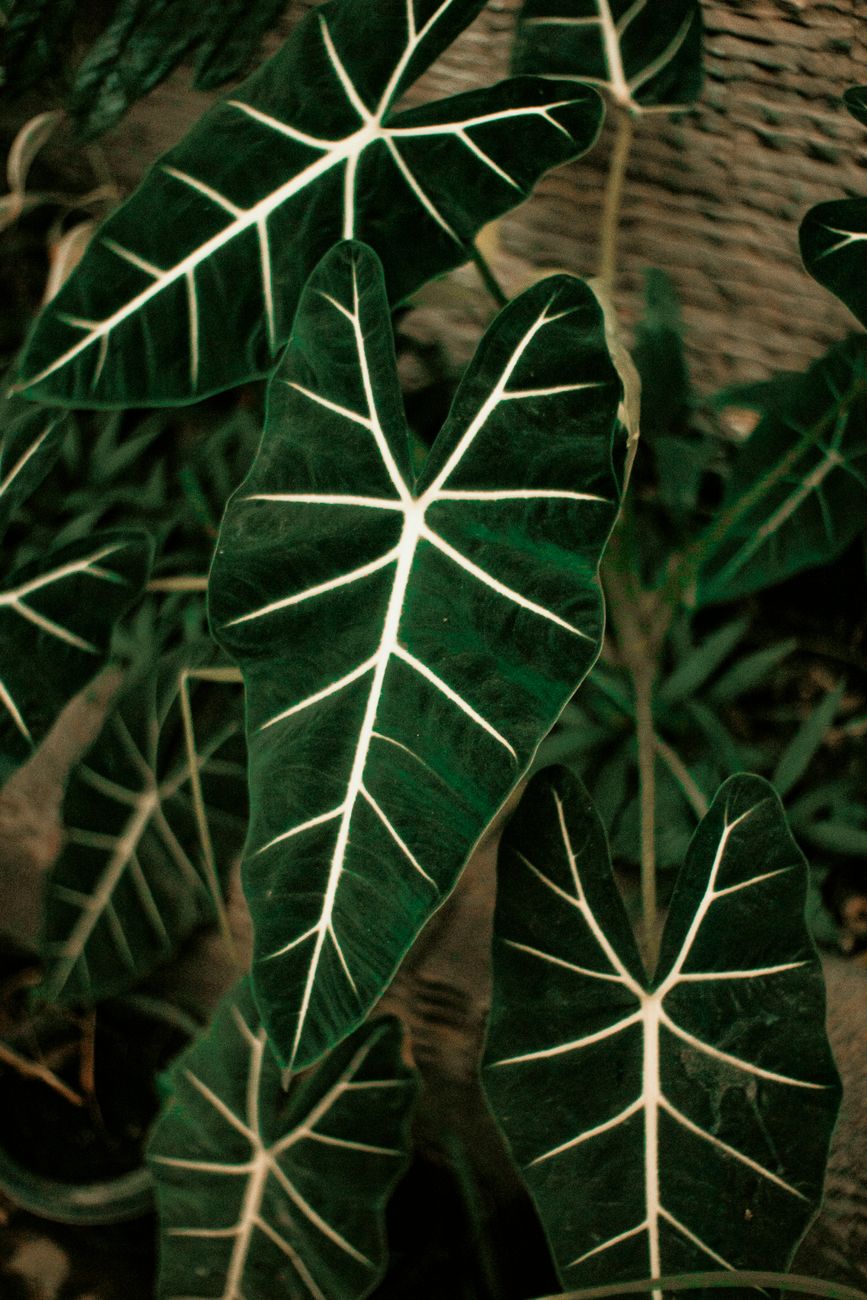
of 1 / 2
Sample data
Alocasia amazonica
Dramatic arrow-shaped leaves with pale veining. Striking, and honestly demanding.
JD 34.00
In stock
Alocasia Polly
JD 34.00
The deeply lobed, almost metallic dark leaves with sharp white veins make this one of the most graphic plants available. It is also one of the fussiest in our range, and we would rather say so than sell you a disappointment.
It wants warmth, humidity, bright indirect light, and consistent moisture without ever being waterlogged. It may drop everything and go dormant in winter — this looks like death and usually is not; keep it barely moist and it returns in spring.
Bright indirect light, no direct sun. Keep the substrate consistently and lightly moist. Humidity above 55% — group it with other plants or use a humidifier. Keep above 18°C. Check the leaf undersides for spider mites monthly; dry indoor air makes this species particularly prone to them.
Our plants are grown on and acclimatised locally before they are sold, which is the step that prevents the leaf drop people often see after buying a plant that has just been shipped. Where a specimen was originally sourced from abroad we will tell you if you ask.
The same mix for every plant we pot: coco peat for moisture retention, perlite and volcanic rock for air pockets and drainage, and composted bark for structure. The success of a plant starts from the correct substrate — it is the most common reason indoor plants fail. We sell the same mix if you want to repot yourself.
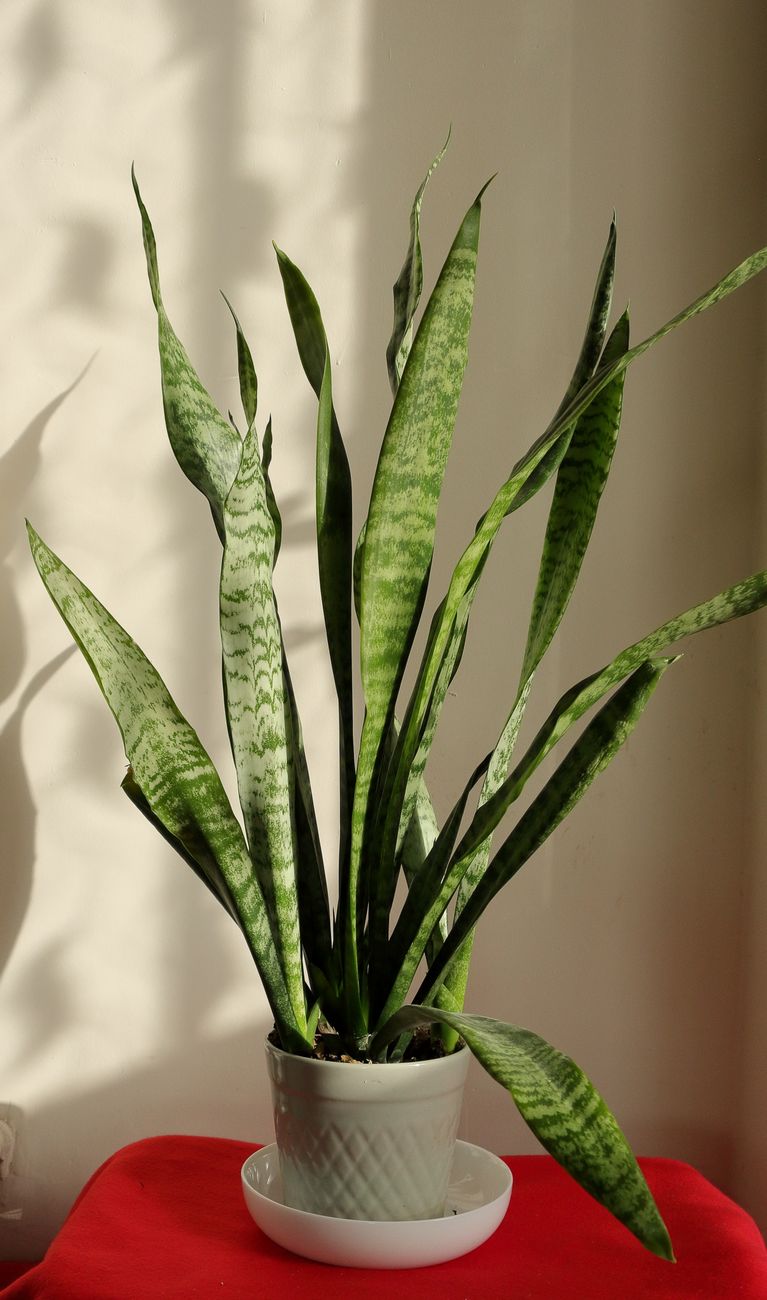
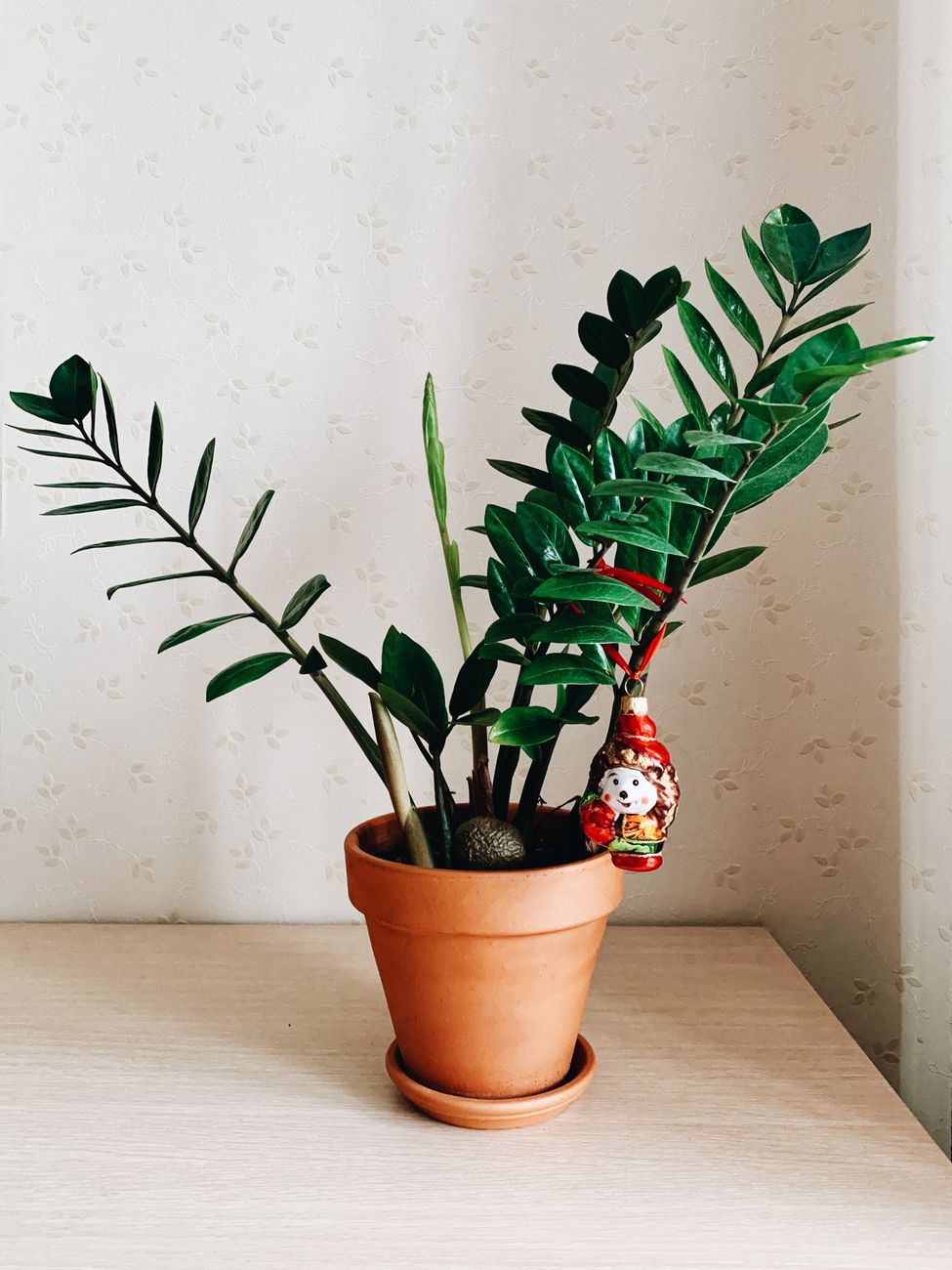
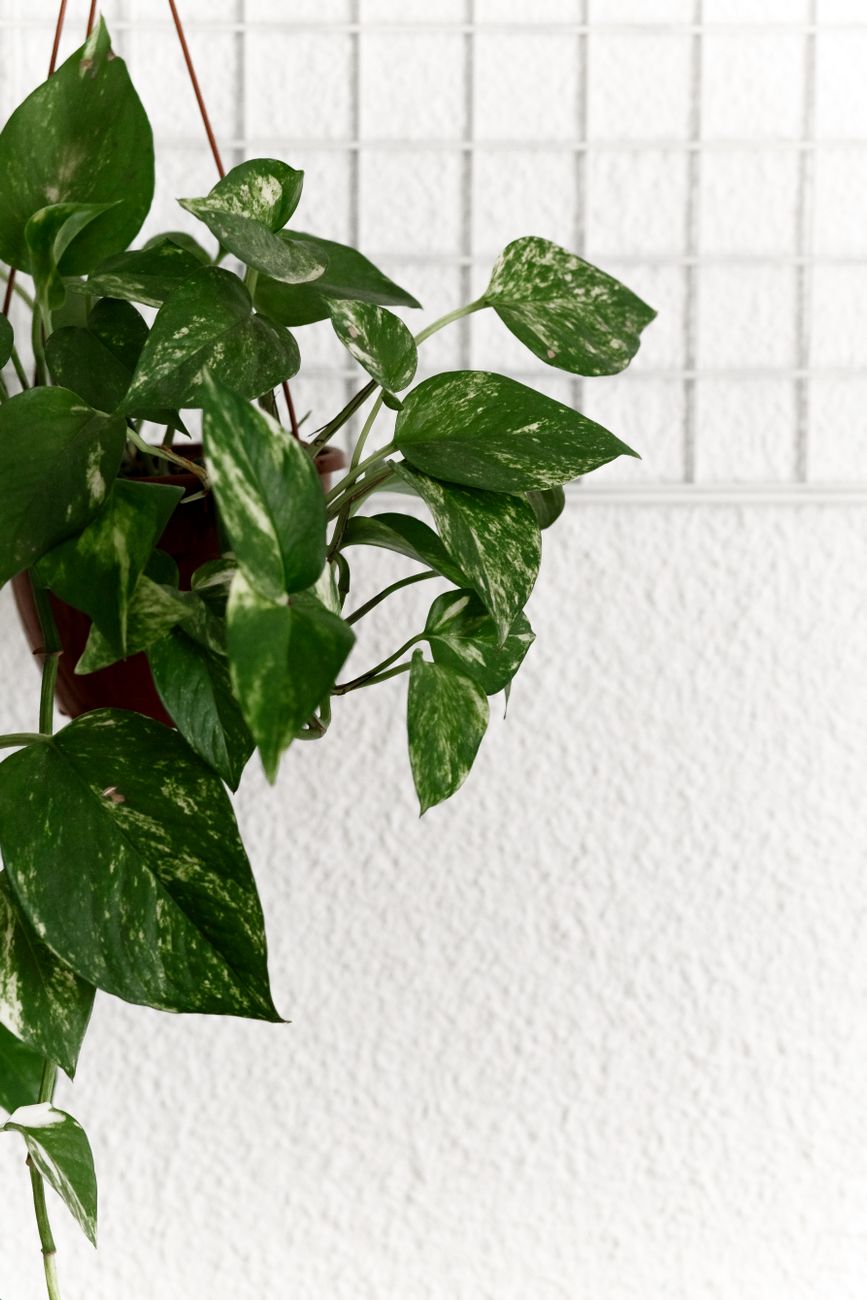
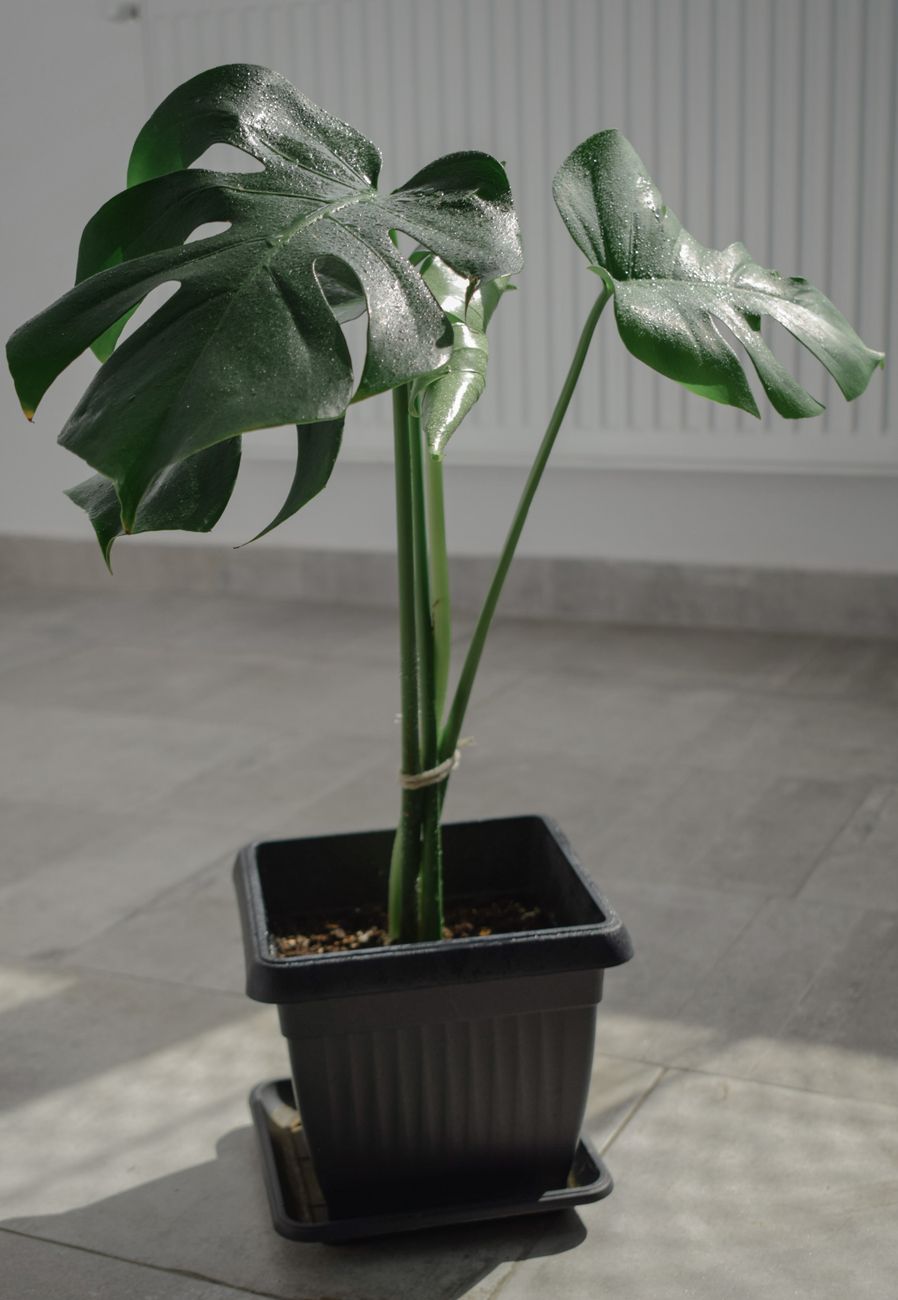
Kentia palm, Calathea orbifolia, Echeveria and Boston fern are not known to be toxic. Monstera, pothos, philodendron, ZZ plant, snake plant, peace lily, and the ficus species are toxic if chewed. Every product page states this explicitly, and where the evidence is genuinely unclear we mark it as unconfirmed rather than guessing.