How air conditioning affects indoor plants
The most locally specific plant problem we get asked about, and the one most often misdiagnosed.
Why this matters here
An Amman summer means the air conditioning runs for months. Most global plant-care advice does not account for that, which is why so many people conclude they are bad with plants when what they actually have is an air problem.
What air conditioning actually does
It removes moisture from the air as a side effect of cooling. Indoor humidity can drop to 25–30%, well below the 40–60% most tropical foliage plants evolved in. It also produces a constant, directed stream of cold dry air wherever a vent points.
How to tell it apart from a watering problem
This is where most people go wrong.
- Crisp, brown, dry leaf edges and tips, while the substrate is still damp → humidity, not thirst. Watering more will cause root rot on top of the existing problem.
- Soft, yellowing lower leaves, substrate wet → overwatering.
- Whole plant limp, substrate bone dry → genuinely thirsty.
- Sudden leaf drop with no other symptom → cold draught, usually a vent or a door.
What to do
Move it out of the airflow. A metre away from a vent solves more cases than anything else, and costs nothing.
Group plants together. Each plant transpires, so a cluster raises local humidity meaningfully. This works better than a pebble tray, which mostly does not.
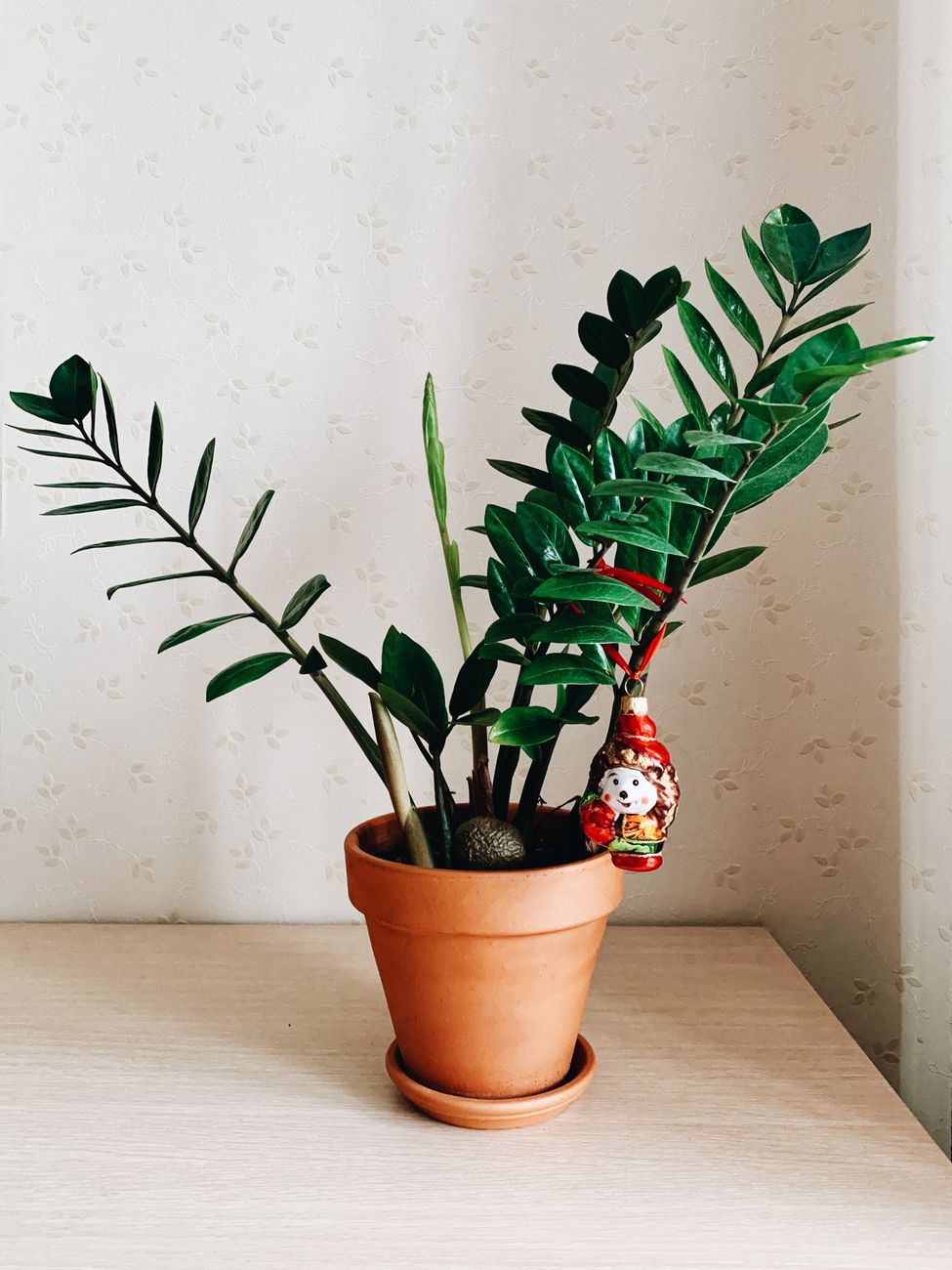
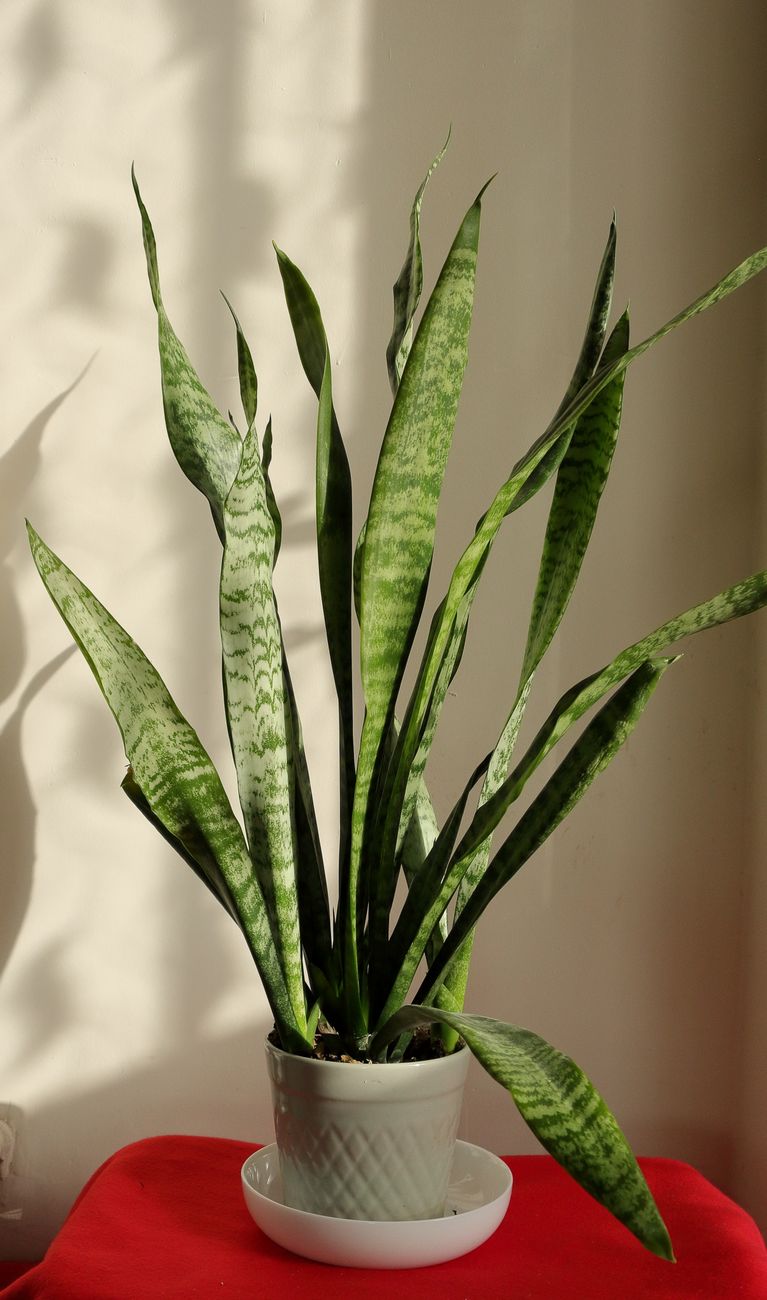
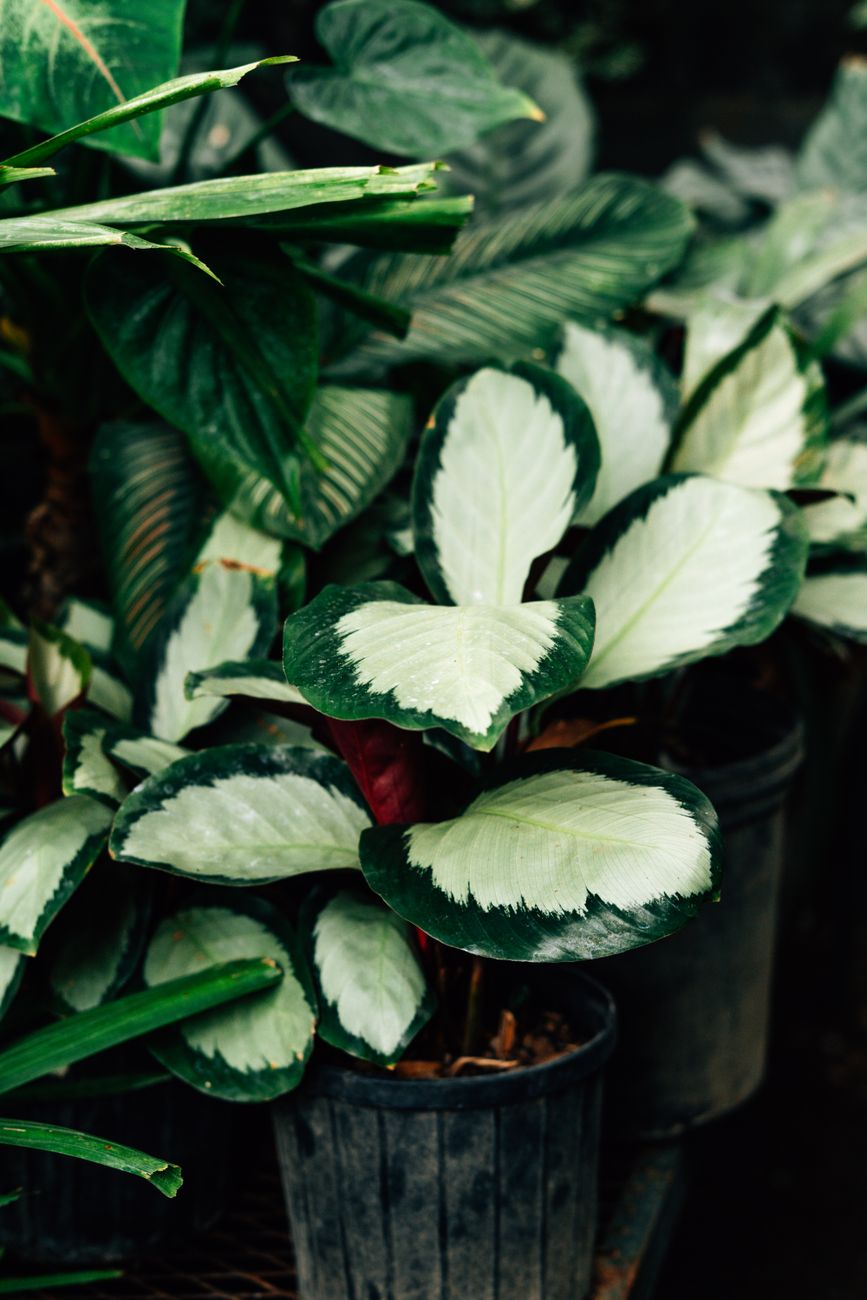
Consider a small humidifier for a genuinely humidity-hungry plant like a calathea or alocasia. If you are not willing to, choose a plant that does not need it — a snake plant or ZZ will not care.
Do not mist as a solution. Misting raises humidity for a few minutes and, on plants with a powdery coating like echeveria, damages them.