How to repot an indoor plant
When to do it, what to use, and the mistake that undoes the whole exercise.
When it actually needs repotting
Not annually, and not because it looks big. Repot when you see:
- Roots coming out of the drainage hole or circling visibly at the surface
- Water running straight through without wetting the substrate
- Growth that has stopped despite good light and feeding
- The plant drying out far faster than it used to
Spring is the best time, because the plant is actively growing and will re-establish quickly.
What you need
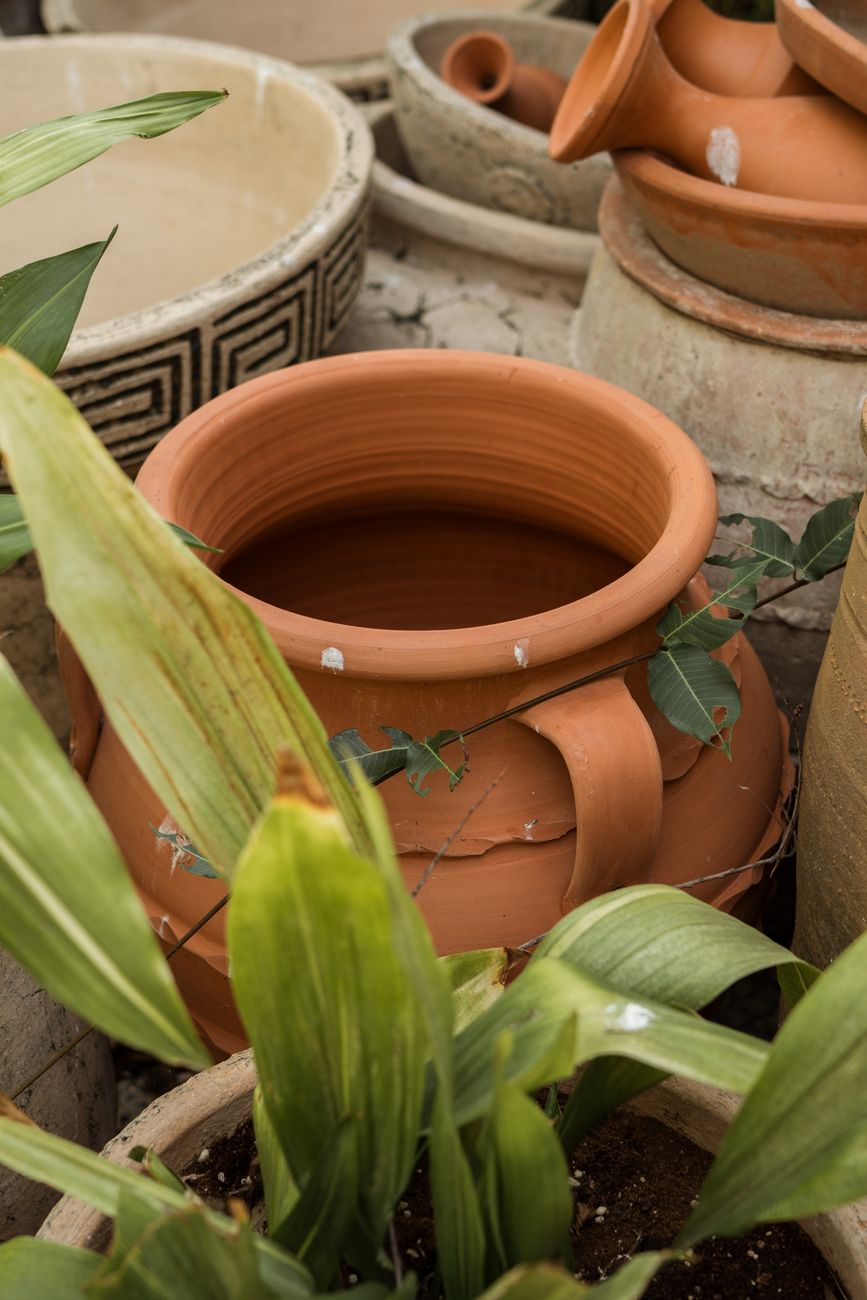
A pot 2–4cm wider than the current one. Not more. This is the mistake that undoes everything: a pot far too large holds more water than the root ball can use, and that reservoir of permanently wet substrate causes root rot. Going up gradually is not caution, it is correct.
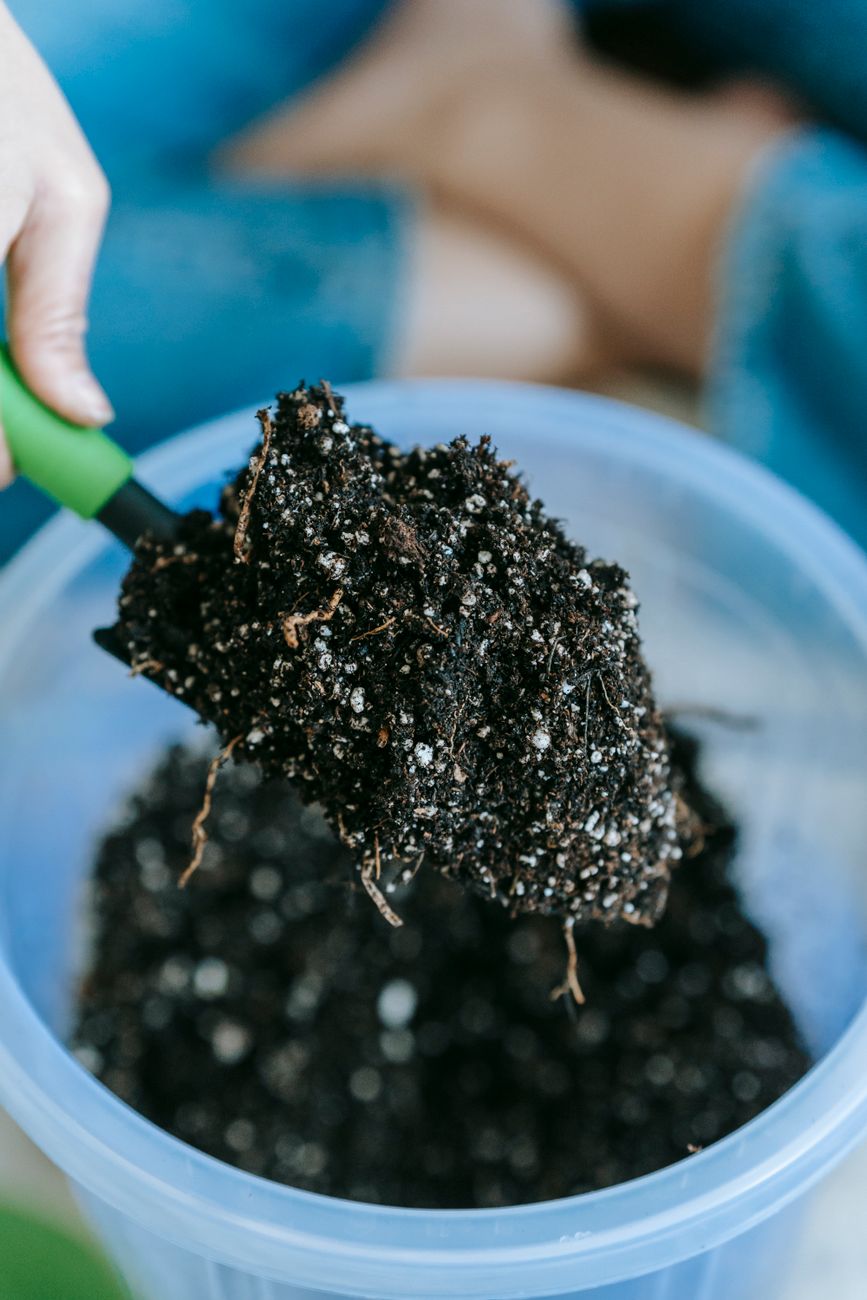
The pot must have a drainage hole. A proper indoor substrate — coco peat, perlite, bark, volcanic rock — not garden soil, which compacts.
The steps
- Water the plant a day before. A hydrated root ball comes out intact.
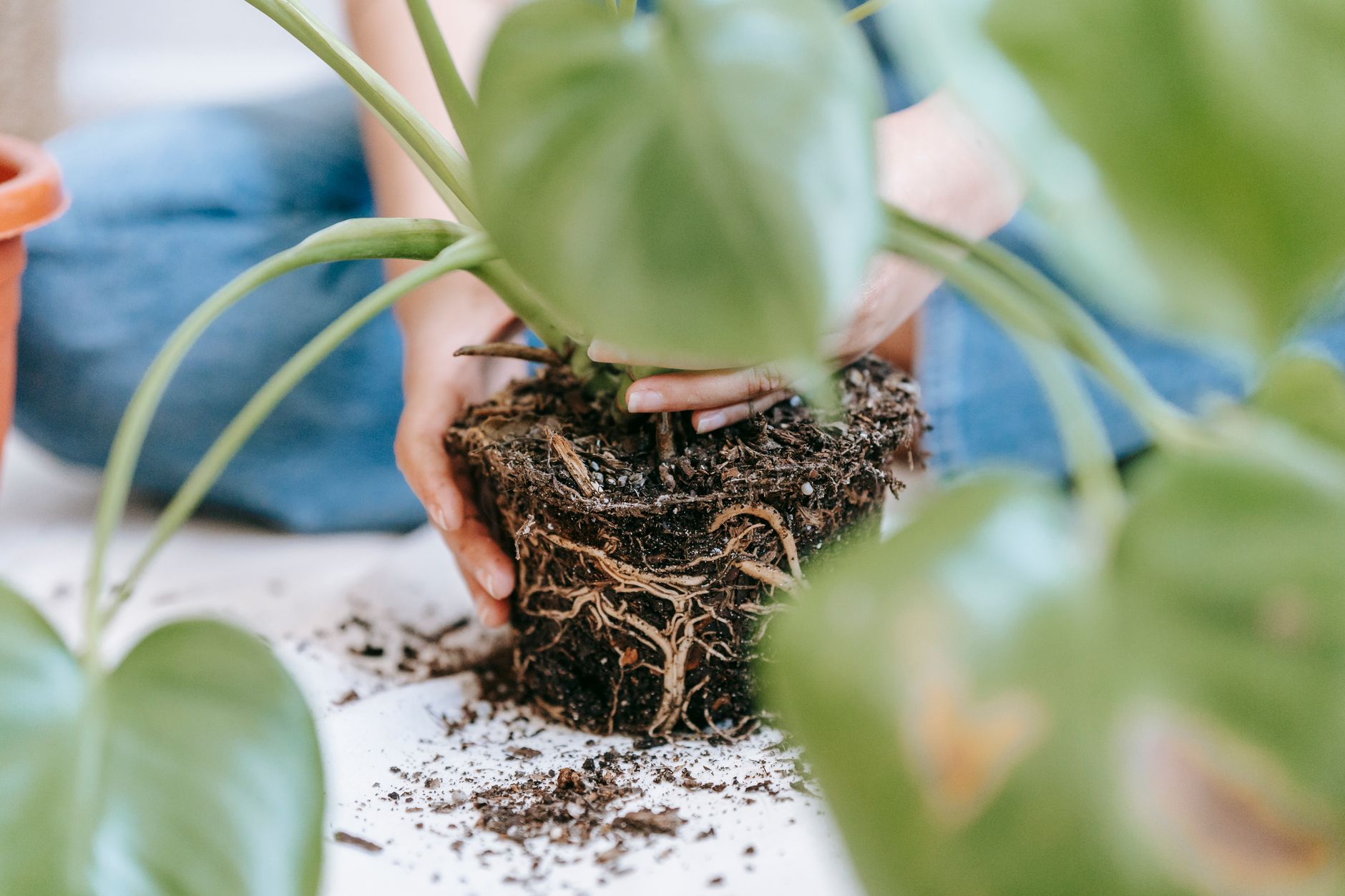
- Support the base of the stems and ease the plant out. Do not pull by the stem.
- Loosen the outer roots gently with your fingers. Cut away anything black, mushy or smelling sour — that is rot, and leaving it in spreads it.
- Put a layer of fresh substrate in the new pot, position the plant so the top of the root ball sits 2cm below the rim, and fill around the sides.
- Firm it in lightly. Do not compact it — you would be removing the air pockets that were the point of the mix.
- Water thoroughly and let it drain fully.
Afterwards
Keep it out of direct sun for a week or two and do not feed for four to six weeks — fresh substrate has nutrients, and fertilising damaged roots does harm. Some drooping in the first days is normal.
Do not put gravel in the bottom
It is a persistent myth. A gravel layer raises the level of the saturated zone inside the pot rather than improving drainage. A drainage hole and a free-draining mix are what work.